Manufacturing data and IT/OT engineering

Smart Manufacturing Engineering Services

Turn a scoped manufacturing-data problem into an implementation plan, working integration, and clearly owned operating boundary.

Engagement Scoped engineering engagement

Scope and pricing depend on systems, interfaces, deployment constraints, security boundaries, custom development, testing, and support requirements.

Start with an Evaluation
Engineer reviewing manufacturing software beside automated equipment Open full-size image
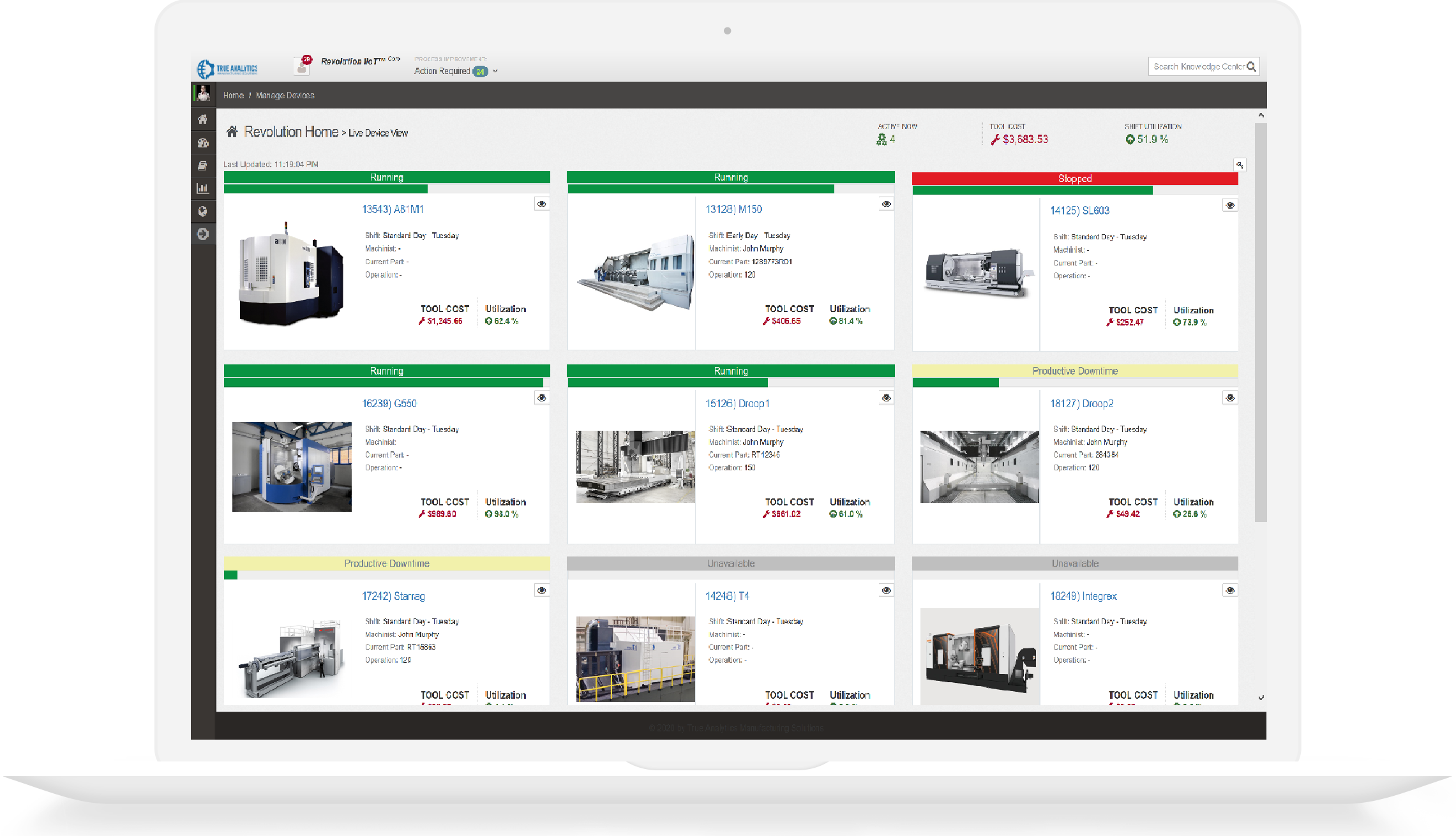
Engineering work connecting manufacturing systems, data flows, and operational software within a defined IT/OT boundary.
Best for
Manufacturers whose connectivity, data-flow, or workflow requirements cross product and organizational boundaries
What we review
Systems, data sources, interfaces, network zones, security boundaries, identities, retention, workflows, and operating ownership
Engagement format
Scoped discovery, architecture, implementation, commissioning, and handoff services

Overview

What this engagement helps your team accomplish

Engineering services for manufacturing connectivity, IT/OT data architecture, custom integrations, and production-data workflows.

Turn a scoped manufacturing-data problem into an implementation plan, working integration, and clearly owned operating boundary.

IT/OT architecture

Review deployment models, network and trust boundaries, data flows, service identities, retention, monitoring, and ownership.

Custom integration

Connect available manufacturing data to scoped machine, tool, asset, CAM, ERP, MES, reporting, or workflow requirements.

Application engineering

Build targeted operational software around approved data sources, user workflows, and support boundaries.

Implementation support

Support testing, commissioning, deployment documentation, training, and operational handoff within the agreed scope.

Common reasons to engage

  • Design cloud, on-premises, segmented, or offline data flows
  • Integrate machine, tool, asset, CAM, ERP, MES, or operational systems
  • Define network zones, identities, retention, and deployment ownership
  • Build scoped reporting and workflow applications
  • Support implementation, commissioning, documentation, and handoff

Engagement approach

A clear path from scope to handoff

The exact activities vary by engagement, but responsibilities and review boundaries remain explicit.
  1. 01

    Discover

    Define the operational problem, stakeholders, data sources, constraints, and success criteria.

  2. 02

    Architect

    Map systems, interfaces, data flows, security boundaries, retention, and ownership.

  3. 03

    Implement

    Configure or build the agreed integration, application, and deployment scope.

  4. 04

    Commission and hand off

    Test the scoped workflow and document operations, responsibilities, and remaining boundaries.

Engagement details

Deliverables, inputs, boundaries, and related paths

Use these details to prepare a focused first conversation and understand what the service does—and does not—cover.

Potential engagement deliverables

Final deliverables are confirmed in the written scope. Depending on that scope, the engagement may include:

  • Documented requirements, systems, interfaces, and ownership boundaries
  • Scoped architecture and data-flow recommendations
  • Configured or developed integration items included in the agreement
  • Testing, commissioning, and issue documentation
  • Operational handoff, training, or support notes included in scope

Information and access you provide

A useful starting scope depends on accurate technical context and access to the agreed stakeholders or environment.
  • Business and operational problem statement
  • System, interface, and data-source documentation
  • Network, identity, security, and retention requirements
  • Representative users, environments, and test access
  • Owners for deployment, operations, and change control

Scope and assurance boundaries

  • Architecture assistance is not a DoD authorization, independent security audit, ISO or SOC certification, or blanket compliance statement.
  • Cloud, on-premises, segmented, and offline experience does not imply a standardized cloud offering or identical deployment for every customer.
  • Custom integration depends on available, authorized data sources and interfaces.
  • Availability, support, retention, and service-level commitments are defined only in the applicable written scope or agreement.

Discuss your manufacturing requirements

  • Review deployment models, network and trust boundaries, data flows, service identities, retention, monitoring, and ownership.
  • Connect available manufacturing data to scoped machine, tool, asset, CAM, ERP, MES, reporting, or workflow requirements.
  • Build targeted operational software around approved data sources, user workflows, and support boundaries.
Start with an Evaluation
Manufacturing engineer reviewing dashboard results

Protected Website Forms

HTTPS, antiforgery validation, input limits, and reCAPTCHA protect public form submissions. Review the safeguards.